Breaking Barriers,
Building Systems That Heal.
Painted Brain’s Advocacy Department

Recent News
Governor Newsom Reappoints Painted Brain Executive Director Rayshell Chambers on Commission for Behavioral Health
We are thrilled to share that Painted Brain’s Executive Director, Rayshell Chambers, has been reappointed to the California Behavioral Health Services Oversight and Accountability Commission, where she has been proudly serving since 2022.
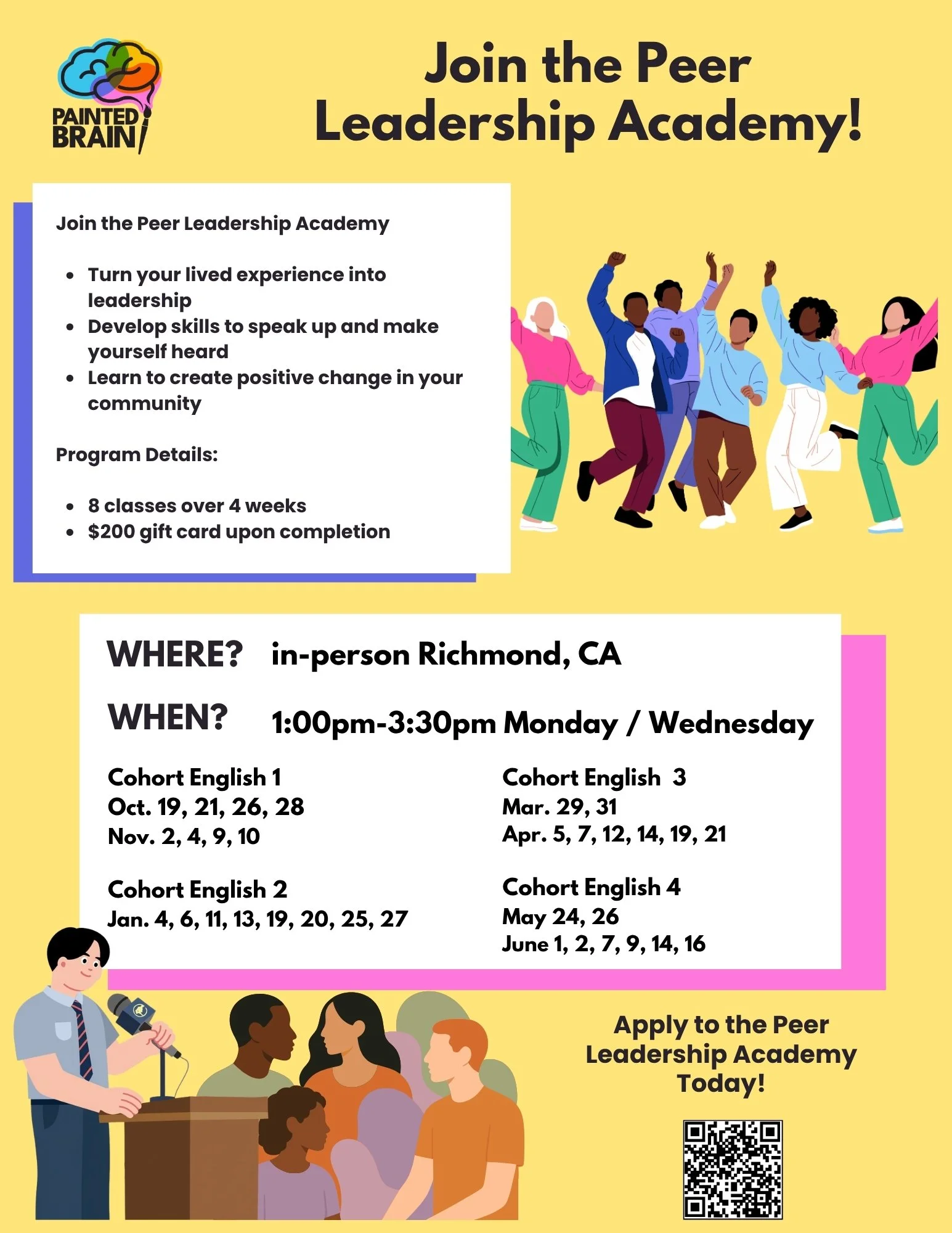
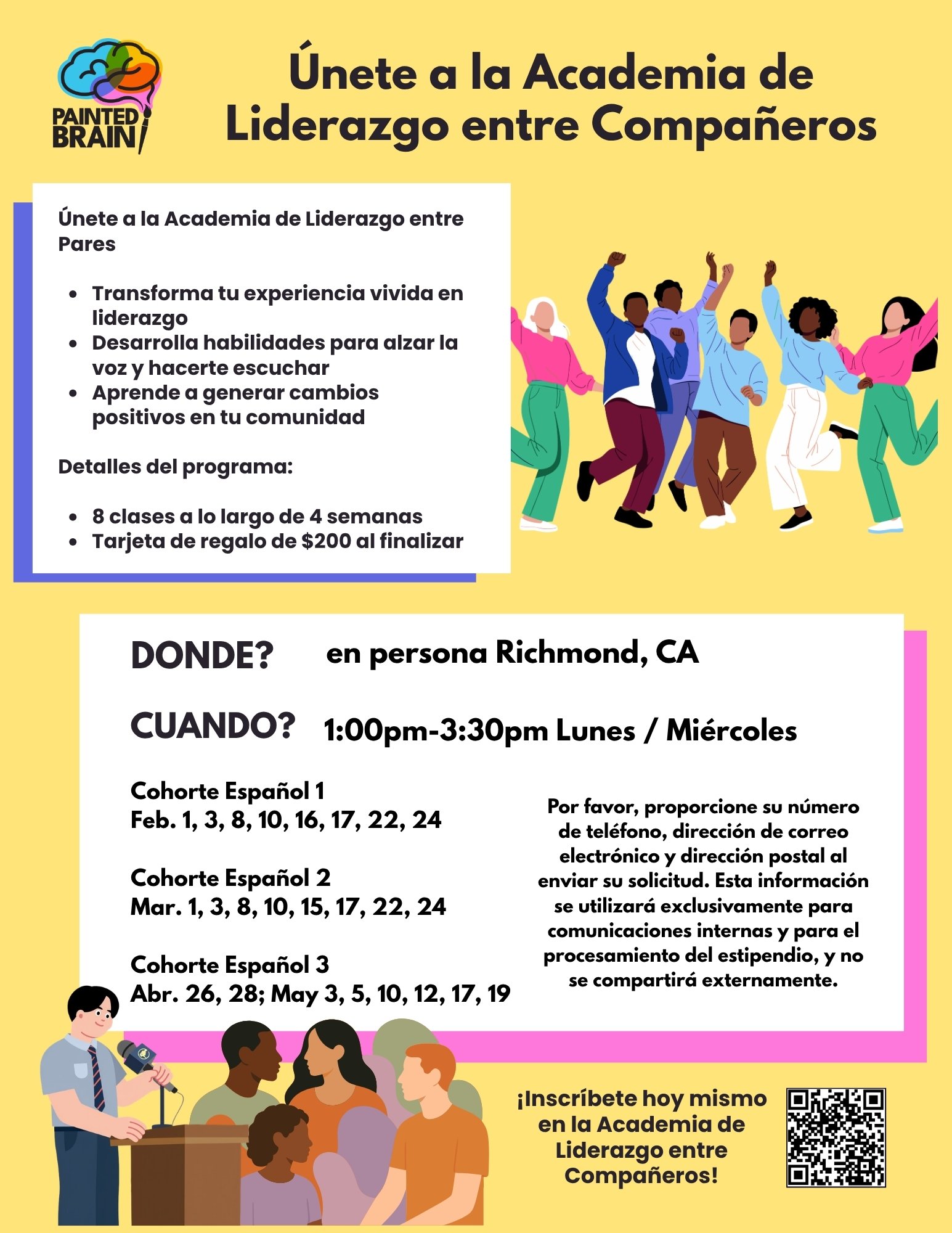
The Peer Leadership Academy in Contra Costa is back ! Our first cohort kicks off October 2026!
The Painted Brain Peer Leadership Academy empowers Contra Costa County residents with behavioral health experience to become strong community leaders.
In just four weeks, participants build skills in public speaking, advocacy, and navigating local systems, with support from a dedicated mentor. Small classes, accessibility assistance, and stipends make it easy to use lived experience to create real change in the community.
Applicants must live or work in Contra Costa County. Sessions are available in both English and Spanish.
Painted Brain’s Peer Leadership Academy in Contra Costa Returns!
Painted Brain’s Advocacy Efforts
-
Psychiatric Advance Directives (PADS)
As a long-time partner in the Multi-County project, Painted Brain champions the development of digital Psychiatric Advance Directives (PADs) to ensure individuals with lived experience maintain agency and have their specific care preferences respected during mental health crises.
-
Peer Leadership Academy
A four-week program in Contra Costa County that empowers individuals with lived behavioral health experience through skill-building, mentorship, and stipends to become effective community advocates and leaders.
-
California Behavioral Health Commission (CBH)
Under the leadership of Executive Director Rayshell Chambers as Vice Chair, Painted Brain collaborates with the CBH to oversee Proposition 63 and drive systemic innovation, accountability, and mental health equity for all Californians.
-
Other Advocacy initiatives
Since its inception, Painted Brain has been at the forefront of community-driven advocacy, fighting mental health injustice and championing accessible care for all; explore our legacy of activism and our latest efforts to navigate and shape California’s changin mental health infrastructure.
PAINTED BRAIN X PSYCHIATRIC ADVANCE DIRECTIVES
Painted Brain advocates for the expansion and implementation of Psychiatric Advance Directives (PADs) to strengthen self-determination in mental health care. PADs allow individuals with psychiatric disabilities to document their treatment preferences and identify trusted supporters in advance, ensuring their voice is respected during times when they may not be able to communicate their wishes.
Through advocacy, education, and partnerships with research and policy leaders, Painted Brain works to increase awareness and access to PADs and promote more person-centered mental health systems.
Watch this video to discover the powerful history of advocacy behind this initiative and see how Painted Brain has been fighting on the front lines to make digital PADs a reality for our community.
What Is a Psychiatric Advance Directive?
A Psychiatric Advance Directive (PAD) is a legal document that allows individuals to outline their mental health treatment preferences before a crisis occurs. PADs help ensure that a person’s care aligns with their choices even if they are temporarily unable to make decisions.
PADs developed from legal efforts in the 1970s and 1980s supporting patient self-determination, leading to the Patient Self-Determination Act. They support the rights of individuals with psychiatric disabilities under laws such as the Americans with Disabilities Act and international frameworks like the United Nations Convention on the Rights of Persons with Disabilities.
A PAD can include:
Preferred medications or treatments
Treatments to avoid
Hospital or provider preferences
Early warning signs of a crisis
Trusted supporters who can assist with decisions
Although recognized in many states, PADs remain underused due to limited awareness and implementation.
Elyn Saks & the Saks Institute
Elyn Saks is a Painted Brain board member and founder of the Saks Institute for Mental Health Law, Policy, and Ethics. Saks has been a huge part of Painted Brain’s advocacy efforts.
The Saks Institute advances policies and research that promote autonomy for people with psychiatric disabilities. Since 2016, the Institute has studied Supported Decision-Making (SDM)—a model where individuals choose trusted supporters to help them understand options and make informed decisions while maintaining control.
Research in California and New York shows SDM can improve autonomy, community integration, and quality of life.
Elyn Saks' work contributed to the development of a California Innovations Project, a statewide effort to expand access to Psychiatric Advance Directives across multiple counties.

The California Innovations Project
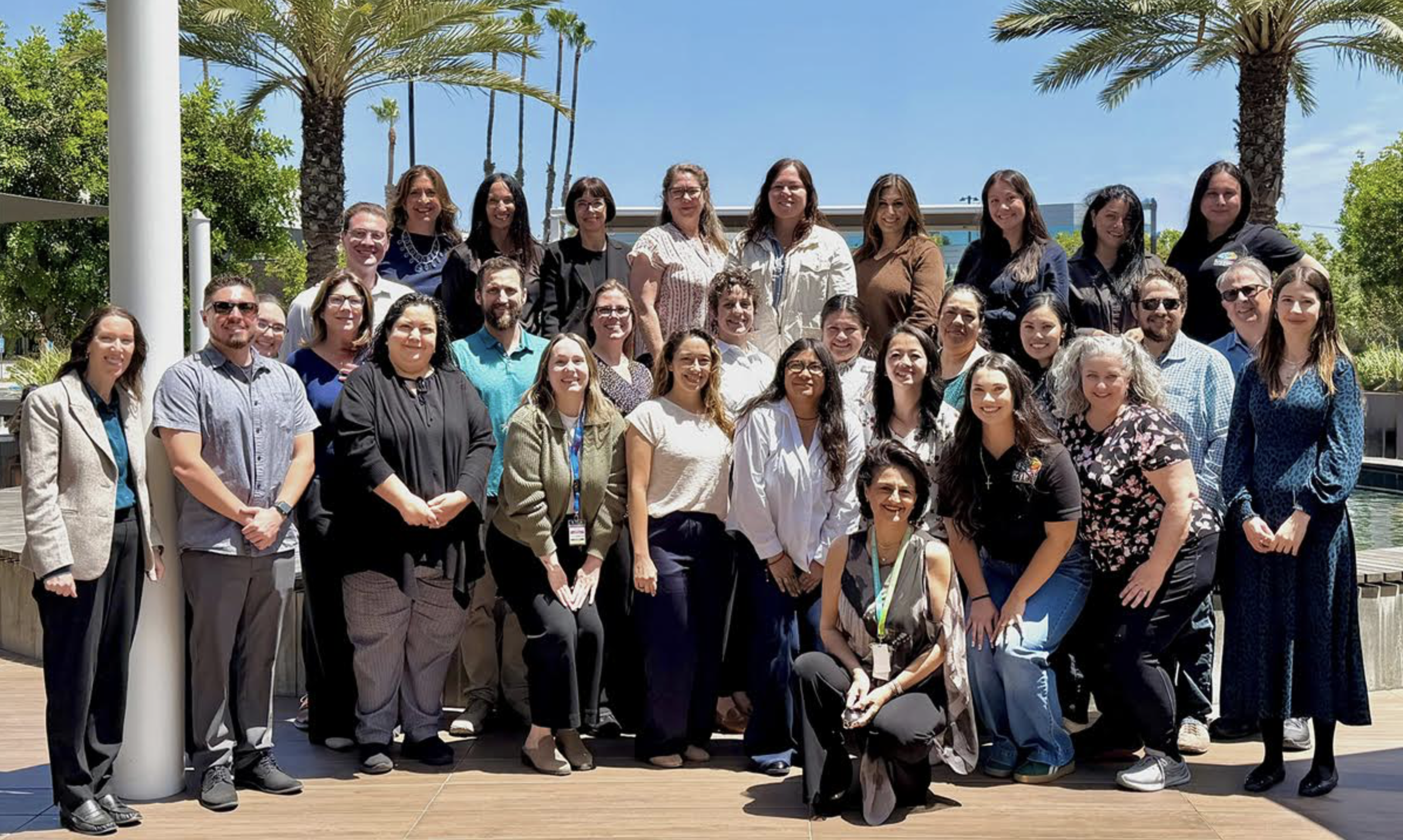
The California Innovation Project expands the use of Psychiatric Advance Directives through a multi-county pilot program. Seven counties are testing how PADs can be implemented through a standardized statewide process.
The project aims to:
Improve access to care and community supports
Preserve individuals’ treatment preferences and life goals
Reduce involuntary care and unnecessary hospitalization
Address risks related to homelessness and criminal justice involvement
The Digital PAD is officially launched!
A key component of the Innovations Project is the development of Digital Psychiatric Advance Directives. The project created a secure online platform where individuals can learn about, complete, and store their PADs. These digital directives can be accessed in real time by first responders, crisis teams, and healthcare providers, helping ensure care decisions reflect the individual’s stated preferences.
The Innovation Project is also developing standardized PAD forms, legal language, training resources for counties and providers, and evaluation tools to support broader implementation across California.
Painted Brain Peer Leadership Academy
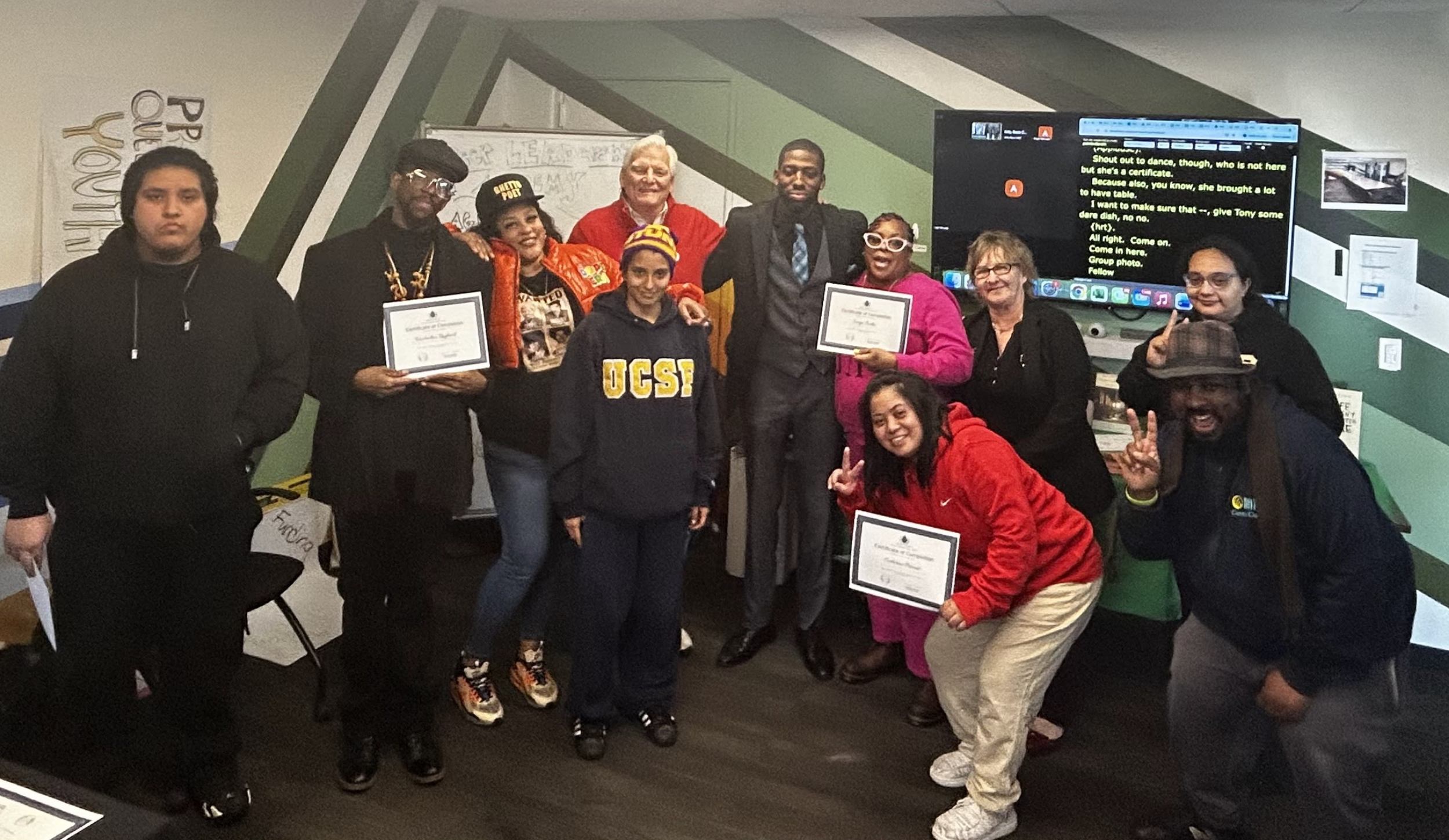
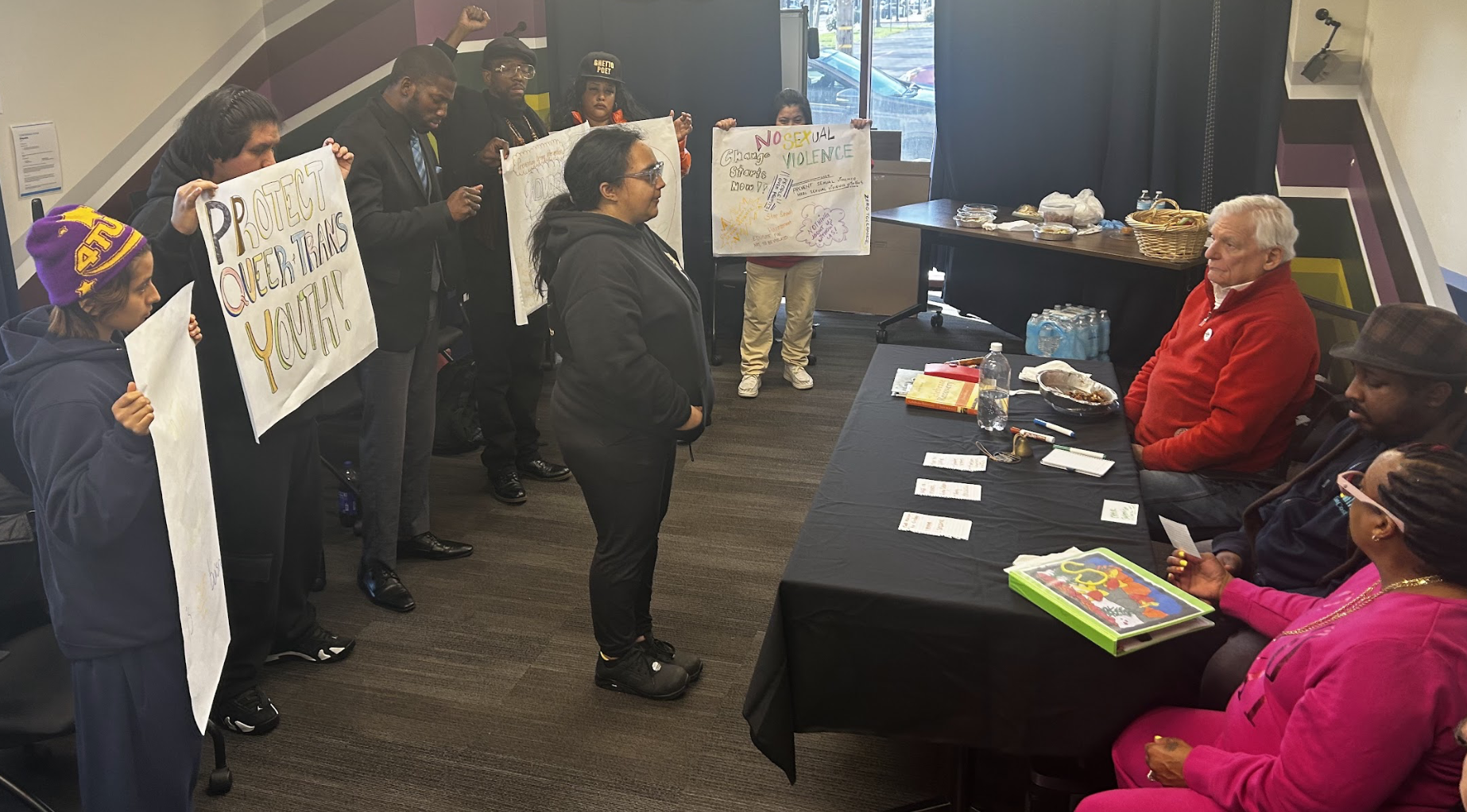
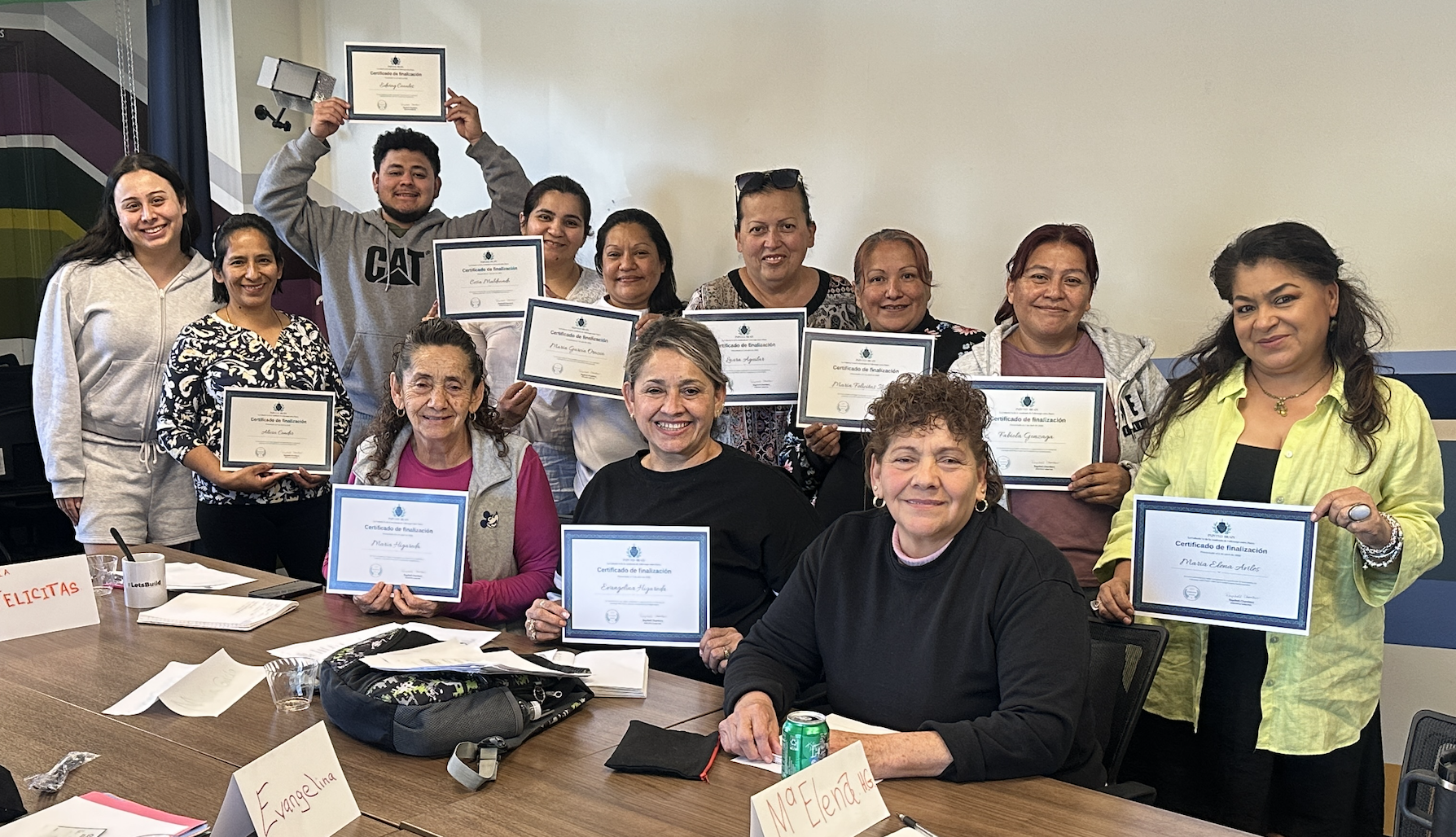
The Peer Leadership Academy helps people with behavioral health experience in Contra Costa County become strong community leaders.
In just four weeks, our leaders learn important skills like public speaking, advocacy, and how to work with local systems. You’ll also get one-on-one support from a mentor. With small classes, accessibility help, and stipends, the program makes it easy to use your lived experience to speak up and create real change in your community. Sessions are available in both English and Spanish.
Mentorship
Receive one-on-one guidance from experienced peer advocates who have walked the same path
What you’ll gain
Peer Support Training
Learn how to share your story in ways that motivate change and connect with others.
Leadership Skills
Build the confidence to lead meetings, present ideas, and inspire others in your community.
System Navigation
Understand how to work within the behavioral health system to make your voice count.
Upcoming Cohorts
Cohort 1
Oct. 19, 21, 26, 28
Nov. 2, 4, 9, 10
Cohort 2
Jan. 4, 6, 11, 13, 19, 20, 25, 27
Cohort 3
Mar. 29, 31
Apr. 5, 7, 12, 14, 19, 21
Cohort 4
May 24, 26
June 1, 2, 7, 9, 14, 16
English Sessions
Sesiones de Español
Cohorte 1
Feb. 1, 3, 8, 10, 16, 17, 22, 24
Cohorte 2
Mar. 1, 3, 8, 10, 15, 17, 22, 24
Cohorte 3
Abr. 26, 28
May 3, 5, 10, 12, 17, 19
California Behavioral Health Commission (CBH)

Painted Brain co-Founder and Executive Director Rayshell Chambers has been serving as vice chair The Commission for Behavioral Health (CBH) since January 2026 . Chambers was previously appointed by Governor Newsom in 2022 to represent clients and consumers, and chair the Commission’s Client, Family, and Community Inclusion, Lived Experience, and Diversity Advisory Committee. The commission was created by Governor Newsom to advance major behavioral health reforms aimed at addressing homelessness, mental health needs, and substance use challenges across California.
CBH was originally created to oversee Proposition 63, which works to strengthen California’s mental health and substance use systems by promoting innovation, accountability, and public understanding. Partnering with communities, people with lived experience, families, State agencies, and lawmakers, the CBH supports prevention, early intervention, and effective practices with the goal of driving meaningful, lasting change for all Californians.
The Commission meets regularly throughout the year. Join virtually to stay updated on behavioral health policies and plans, and to make your voice heard on key issues.
Other Advocacy Initiatives
Since its inception, Painted Brain has been at the forefront of community-driven advocacy, fighting mental health injustice and championing accessible care for all; explore our legacy of activism and our latest efforts to navigate and shape California’s changing mental health infrastructure.
4/21/26: Advocacy for AB 2138
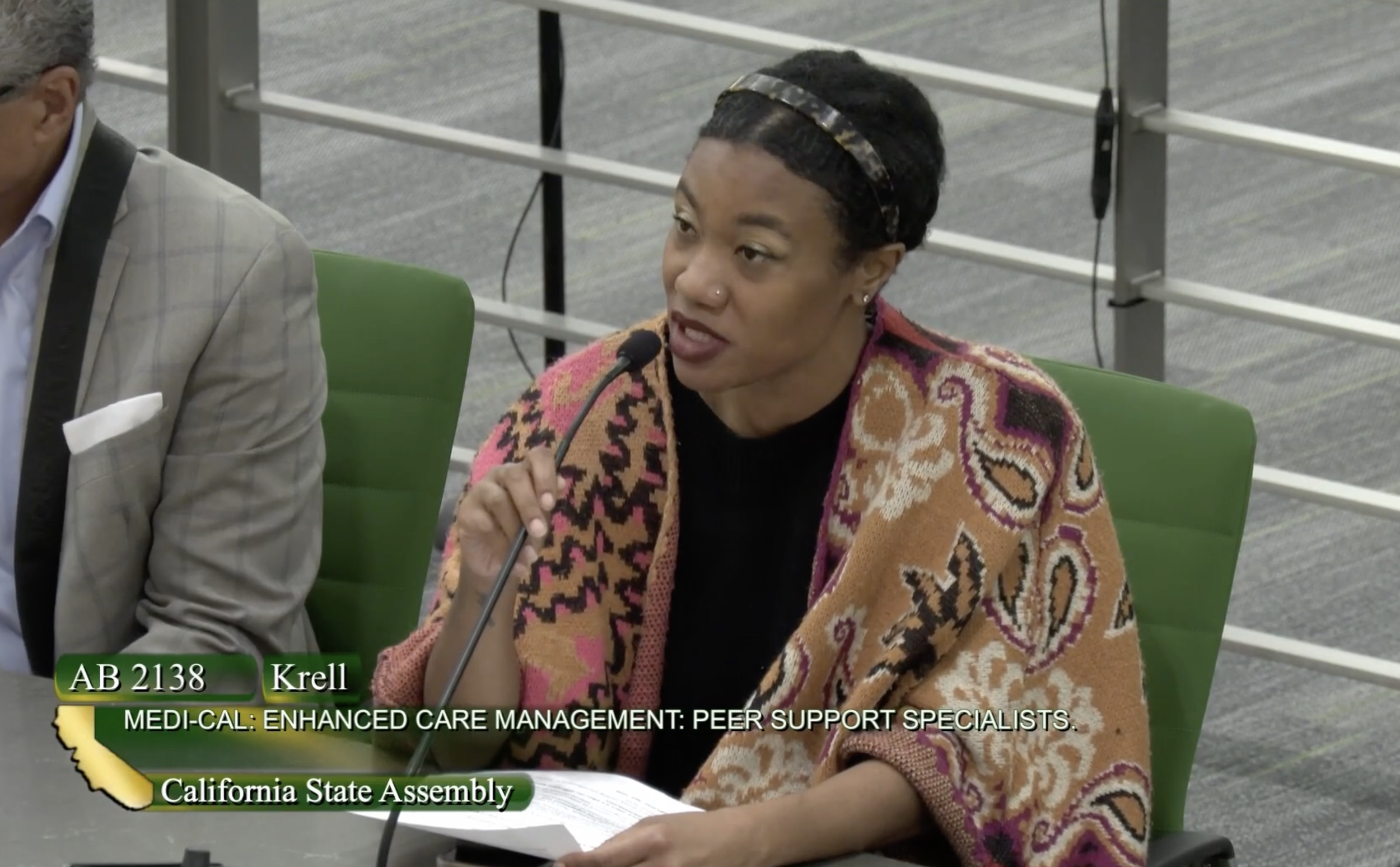
On April 21, Painted Brain Executive Director Rayshell Chambers spoke in front of the California State Assembly, advocating for AB 2138. This vital legislation strengthens California's mental health system by breaking down the barriers that keep certified Peer Support Specialists from serving where they are needed most.
The bill requires peers to be actively integrated into Enhanced Care Management (ECM) teams, ensuring individuals with the most complex needs benefit from lived-experience support. Additionally, it ends unfair, automatic employment disqualifications based on background checks, opening doors for qualified peers to build meaningful careers and expanding a workforce rooted in empathy and recovery.
At the meeting, Painted Brain Advocacy Program Manager Grace Gallagher also spoke in support of this bill. Thank you to our Team for advocating for peers and a better mental health system!
01/26- 03/26 : Advocacy against HCAI Funding Cuts
We launched a statewide campaign against the cuts to California’s HCAI Peer Personnel Program, connecting directly with peer support specialists across the state to highlight how these reductions put a vital mental health workforce pipeline at risk. Through this advocacy, we fought to protect millions in funding for peer-led services, warning legislators and counties that cutting these programs wouldn't save money, but would instead eliminate jobs and weaken the early, lived-experience crisis support that vulnerable communities rely on.
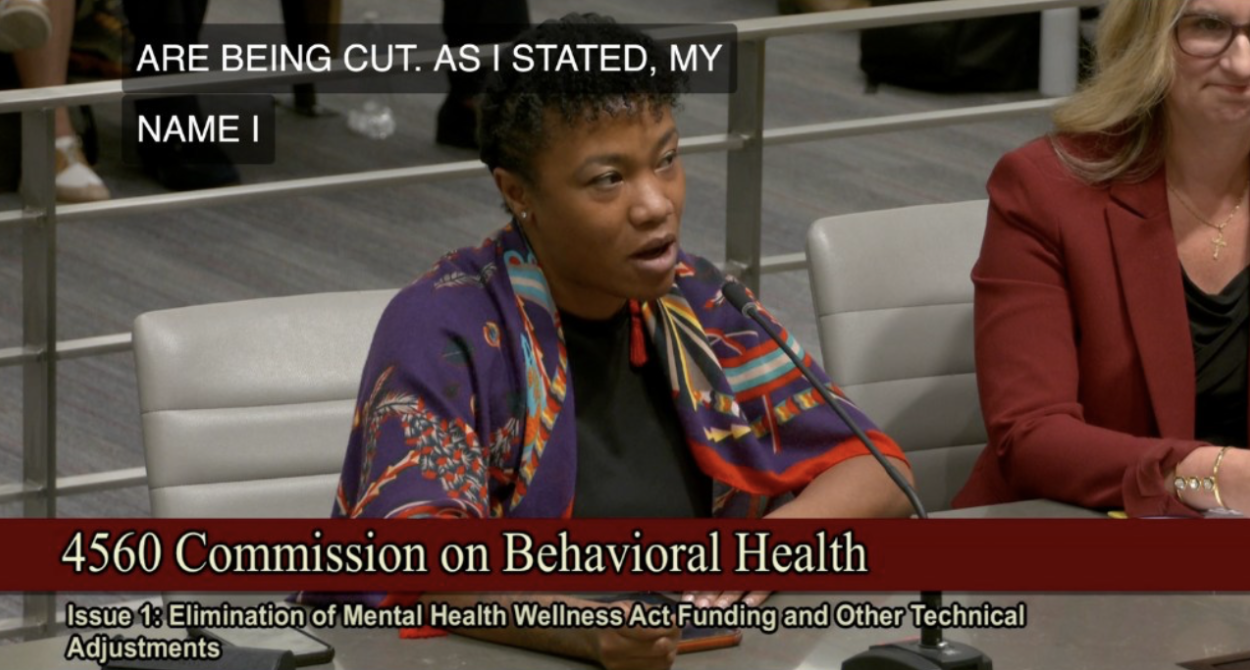
05/25- 07/25 : Advocacy against Mental Health Wellness Act Funding Cuts
Thanks to collective advocacy, the California Legislature rejected the proposed $20 million elimination from the Mental Health Wellness Act, officially protecting those vital funds and securing an additional $10 million for state mental health resources, youth substance abuse programs, warm lines, and ACEs initiatives.
Painted Brain, alongside Cal Voices, the Commission for Behavioral Health, and over 30 dedicated partner organizations, showed up in force with powerful testimony and letters that ensured our voices were heard at the highest levels. This frontline mobilization paid off when Governor Newsom and the Legislature finalized the budget, officially preserving $20 million in ongoing BHSA funding for the Mental Health Wellness Act. This major victory guaranteed the continuation of $60 million across three launch-ready grants—including Peer Respite, FSP, and 0–5 programs—alongside secured funding for EmPATH, SUD, and older adult services. By standing together on the front lines, we proved that grassroots advocacy works and successfully protected community-centered, life-saving mental health care across California.