
Peer Support: A Revolution in Mental Health
Peer support represents a revolutionary shift in mental health care - moving from treating people as patients to empowering them as active participants in their own recovery. Born from the civil rights and psychiatric survivor movements of the 1960s-70s, peer support specialists formalized the powerful idea that those with lived mental health experience could be uniquely qualified to help others.
As certified professionals, peer support specialists combine their personal recovery journeys with specialized training to:
* Connect authentically with others facing similar challenges
* Inspire hope by being living proof that recovery is possible
* Bridge the gap between clinical care and real-world recovery
* Challenge stigma and advocate for person-centered care
This approach fundamentally changed mental health services by validating lived experience as expertise and establishing peers as essential members of healthcare teams - marking a historic shift toward more humane, recovery-focused mental health care.

Explore the Evidence: How Peer Support Works
Created by the Association of Peer Support, this bibliography features evidence-based research rooted in lived experience and real-world results. This collection breaks down how and why peer support works, highlighting its proven benefits across different communities. Whether you're a student, researcher, or community advocate, you'll find actionable insights into the true power of peer-led initiatives.
PEER 101 SERIES
Articles by Painted Brain to understand the Peer experience
Peer Support 101: Why Shared Experience Is the Most Powerful Tool for Healing
Core Benefits Established: Hope and Practicality
The Self-Care Masterclass: 3 Essential Skills You Learn Through Peer Support
Don't Burn Out: Self-Care for the Peer Supporter and the Power of Reciprocity
The Reciprocal Benefit: The Gift of Giving
Peer Support 101: Why Shared Experience Is the Most Powerful Tool for Healing
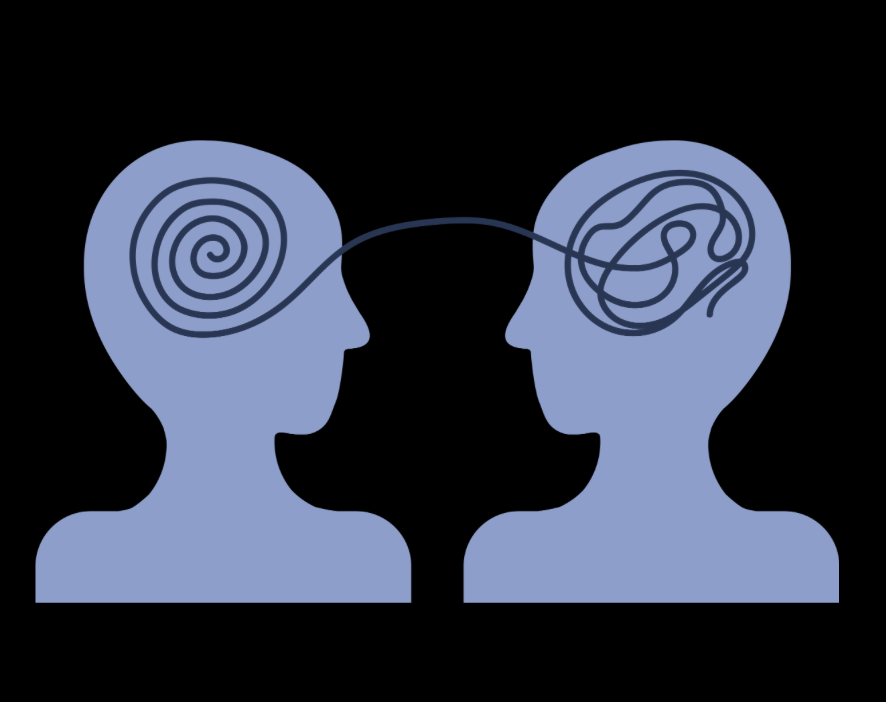
It's one of the most isolating feelings in the world: believing you are the only person who has ever felt this way. Whether you're navigating a new diagnosis, wrestling with a long-term mental health challenge, or struggling through grief, the weight of being unique in your suffering can feel crushing. We often feel like we're speaking a different language than the people trying to help us.
This is where peer support steps in. Peer support is the intentional act of giving and receiving help from others who have gone through similar life experiences. It is a powerful, mutual relationship built on trust and shared vulnerability. It’s not therapy, and it’s not advice; it is a bond forged in lived experience, offering a simple, profound truth: You are not alone. This shared understanding is the foundation upon which true healing begins.
The Power of Validation: Moving Beyond Self-Blame
One of the most immediate and critical benefits of connecting with a peer is the rush of validation. When you share your deepest struggles—the messy thoughts, the setbacks, the strange symptoms—and the person across from you nods and says, "Yes, I know that feeling," a psychological shift occurs.
This shift is called normalization. It moves you away from the toxic feeling of self-blame ("I am broken," or "I must be doing something wrong") and toward a healthy perspective ("This is a normal part of the process"). This shared understanding immediately breaks down the isolation that mental and physical health challenges often create. A peer doesn't just sympathize; they empathize. They don't just offer theoretical guidance; they offer practical insight based on having walked the same path. This perspective—the idea that you can be struggling and still be whole—is often what unlocks the door to acceptance and positive change.
Stay tuned to our monthly newsletters as we'll be diving into how this powerful relationship helps you master the critical skill of self-care, specifically focusing on the essential techniques you learn when you’re both giving and receiving support.
Core Benefits Established: Hope and Practicality
The strength of peer support lies in its dual benefit of providing both emotional comfort and practical guidance.
For the person receiving support, the benefits are tangible and immediate:
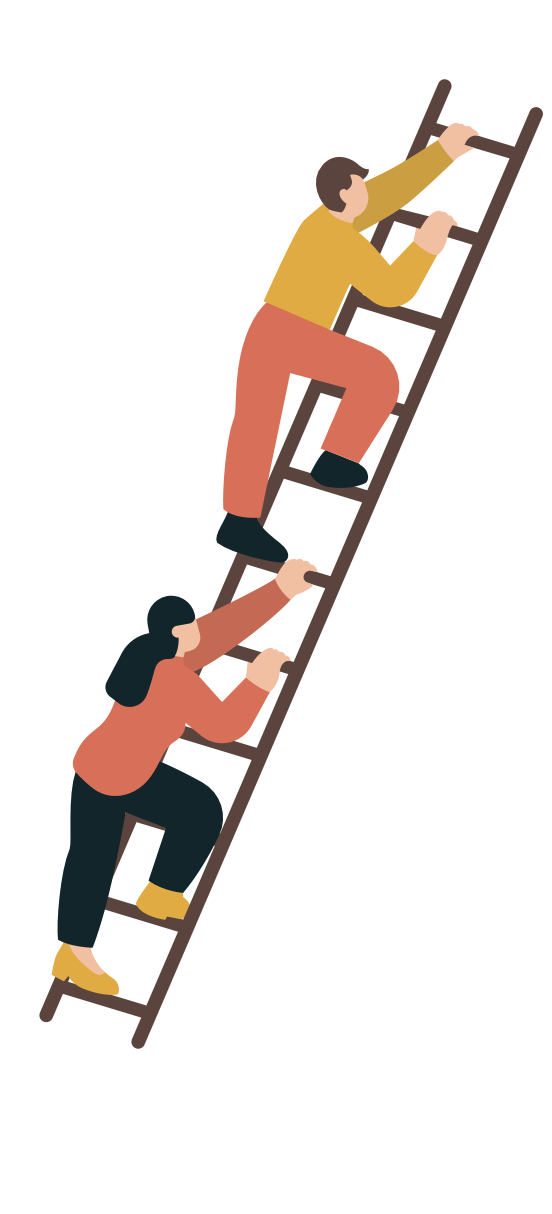
Increased Hope: Seeing someone else thrive who has faced the same obstacles is perhaps the most powerful tool peer support offers. It provides a visual, real-world roadmap for recovery and stability. A therapist can tell you things will get better; a peer can show you how they got better.
Grounded in Practical Recovery Interventions: Peers support concrete steps essential for daily functioning in the community, such as:
Recovery and Wellness Planning: Helping a person articulate their own vision for wellness and develop actionable plans to sustain it.
Supporting Treatment Goals: Working alongside the individual to translate clinical treatment planning goals (e.g., skill-building, social reintegration) into practical, real-world actions.
Completing a Professional PAD: Assisting the individual in completing a Psychiatric Advance Directive (PAD) with a professional tone and clarity, ensuring it effectively communicates their future treatment preferences to clinical providers.
Access to Real-World Coping Strategies: Peers offer support that comes from the trenches—small, specific adjustments that make daily life manageable, such as how to talk to family about boundaries, or the best way to manage appointments when you are overwhelmed. These practical ideas are often the pieces of the puzzle that formal treatment can miss.
Improved Communication: Learning to articulate your experiences to a non-judgmental peer helps you practice discussing difficult topics. This enhanced communication skill allows you to better advocate for yourself and explain your needs to family, friends, and doctors alike.
Community and Belonging: Peer relationships create an instant social network centered around support, which is critical for reducing loneliness and social isolation—two major drivers of poor mental health outcomes.
A Critical Distinction: Peers and Professionals
It’s important to understand the role of peer support clearly. While incredibly powerful, it is complementary to clinical care, not a replacement. Clinical professionals (like doctors and therapists) provide diagnosis, formal treatment plans, medication management, and structured, objective therapeutic approaches.
Peer support, on the other hand, operates within the space of mutuality and equality. The relationship is not hierarchical; no one is the ultimate expert. Both people learn and grow. Peer support excels at providing empathy, hope, and social capital—the human connection that professional services, by definition, cannot fully deliver. When the two work together, the result is truly holistic and deeply impactful.
Peer support is simply the recognition that your story holds value, and by sharing it, you lighten the load for yourself and for others. It’s the ultimate form of shared strength.
Stay tuned to our monthly newsletters as we'll be diving into how this powerful relationship helps you master the critical skill of self-care, specifically focusing on the essential techniques you learn when you’re both giving and receiving support.
The Self-Care Masterclass: 3 Essential Skills You Learn Through Peer Support
Peer support is a powerful force that breaks down isolation through shared experience and validation. When you hear the words "me too," the foundation of healing is set. But validation alone isn't enough; true wellness requires action. It requires a personal maintenance strategy—a practice we call self-care.
For many, self-care sounds like a luxury: bubble baths and spa days. But at its core, self-care is simply proactive maintenance. It’s the intentional practice of managing your energy, health, and peace of mind before you hit a crisis point. And surprisingly, one of the best places to learn these essential skills isn't a classroom—it's right alongside a peer who has navigated similar challenges.
In this newsletter we will share one of three essential self-care skills you master through the peer support experience.
Skill 1: Setting and Holding Healthy Boundaries
A critical component of self-care is knowing where you end and where other people begin. Without boundaries, your energy, time, and emotional reserves are constantly depleted by external demands. Peer support offers a unique training ground for this skill because it’s a relationship built on mutuality, not obligation.
In a peer relationship, both people learn to practice self-regulation by:
Learning to Say "No": Peers model how to politely decline a request or end a conversation when their own capacity is low. This teaches both the giver and the receiver that protecting one's well-being is a priority, not an insult.
Preventing Codependency: The mutual nature of the support emphasizes that each individual is responsible for their own recovery. This clear structure prevents the relationship from becoming one-sided, protecting both people from taking on burdens that aren't theirs to carry.
Learning to set and respect boundaries in a supportive peer context translates directly to better self-care in your relationships with family, friends, and colleagues.
Stay tuned to our monthly newsletters as we'll be diving into how this powerful relationship helps you master the critical skill of self-care, specifically focusing on the essential techniques you learn when you’re both giving and receiving support.
Skill 2: Developing a Real-World Coping Toolkit
Clinical professionals teach evidence-based techniques, but peers teach survival—the small, specific adjustments that get you through the toughest days. Peer support acts as a living, breathing repository of coping strategies drawn directly from the trenches of lived experience.
When you're struggling with a setback, a peer doesn't just offer theoretical advice; they share exactly what worked for them yesterday. This could involve practical, real-world tips on:
Grounding Exercises: Specific sensory tricks they use to stop a panic attack.
Energy Management: How to pace yourself during a period of chronic fatigue or illness.
Resource Navigation: Unofficial "hacks" for dealing with insurance or bureaucratic systems.
Through this exchange, you don't just accumulate tips; you learn how to customize a personal coping toolkit. You might even create a structured plan, like a Wellness Recovery Action Plan (WRAP), which is fundamentally a comprehensive self-care strategy co-created with the wisdom of peers.
Stay tuned to our monthly newsletters as we'll be diving into how this powerful relationship helps you master the critical skill of self-care, specifically focusing on the essential techniques you learn when you’re both giving and receiving support.
Skill 3: Embracing Self-Advocacy as Self-Care
Self-care isn't always gentle; sometimes it means being fierce in defense of your needs. In the complex world of health and wellness, self-advocacy—speaking up for yourself and your needs—is one of the most powerful forms of self-care you can practice.
Peers model this strength. They teach each other:
How to Ask the Right Questions: Gaining confidence to ask a doctor for clarity on medication side effects or to push back on an unhelpful treatment plan.
Communicating Needs Effectively: Learning to clearly articulate needs to a partner, employer, or teacher, ensuring your environment supports your well-being.
Honoring Your Inner Voice: A peer connection encourages you to trust your own intuition about what works for you, giving you the courage to follow a path of healing that is truly personalized.
By practicing advocacy within the safe space of a peer relationship, you build the muscle memory necessary to defend your self-care needs in the real world.
Self-care is not an indulgence; it is a learned skill and a non-negotiable part of stability. The peer relationship provides the perfect framework—built on empathy and equality—to master these practical techniques. It shows you that caring for yourself is possible because someone else has done it and is there to show you the way.
Stay tuned to our monthly newsletters as we'll be diving into how this powerful relationship helps you master the critical skill of self-care, specifically focusing on the essential techniques you learn when you’re both giving and receiving support.
Don't Burn Out: Self-Care for the Peer Supporter and the Power of Reciprocity
We’ve covered the immense foundational value of shared experience (Part 1) and the essential self-care skills you learn from engaging in peer relationships (Part 2). Now, we arrive at a critical question: How do we sustain this powerful work without running on empty?
There is a deep, ethical satisfaction in helping another person navigate a path you’ve already walked. It provides purpose and meaning. However, this profound work carries a significant risk: compassion fatigue or burnout. When you are constantly immersed in another person's struggles, the lines between their recovery and your own can blur. This is why self-care for the person offering support is not optional—it is non-negotiable. You simply cannot pour from an empty cup.
The Self-Care Protocol: Non-Negotiables for Sustainability
For anyone in a formal or informal support role, self-care must move beyond relaxation and become a structured protocol for professional maintenance. This intentional focus on sustainability ensures that your ability to help remains sharp and compassionate over the long term.
Three non-negotiable components of the Supporter’s Self-Care Protocol are:
Rigid Boundaries: As we discussed in Part 2, boundaries are key. For the supporter, this means maintaining a clear distinction between your personal recovery and your role. When you are done for the day, you must consciously "leave the work" behind. This involves respecting your time, limiting the amount of personal disclosure, and clearly defining the scope of your support.
Formal Supervision and Debriefing: In a professional setting, this means scheduled time with a supervisor to process difficult interactions and emotional labor. In informal settings, it means having your own safe space (a therapist, a mentor, or a trusted peer outside of the relationship you are supporting) where you can offload and recalibrate.
Prioritizing Personal Wellness: Your own coping toolkit (learned in Part 2) must be in constant use. This includes non-negotiable practices for sleep, nutrition, exercise, and dedicated time for personal interests. If your own foundation is weak, the support you offer will eventually crumble.
Stay tuned to our monthly newsletters as we'll be diving into how this powerful relationship helps you master the critical skill of self-care, specifically focusing on the essential techniques you learn when you’re both giving and receiving support.
The Reciprocal Benefit: The Gift of Giving
The sustainability of peer support relies on the fact that the relationship is inherently reciprocal. While the receiver gains hope and tools, the giver gains something equally vital.
The exchange of support is often an incredibly effective boost to the supporter’s own wellness. This reciprocal benefit manifests in several ways:
Renewed Purpose: Utilizing your lived experience to create positive change for someone else validates your entire journey. It turns struggle into strength and adversity into expertise.
Reduced Self-Stigma: By openly sharing your past with the goal of helping others, you dramatically reduce any residual shame or stigma you may carry. You transform the most difficult parts of your story into a source of pride.
A Strengthened Identity: The supportive role reinforces a positive identity—as resilient, compassionate, and wise. Seeing small victories in the people you support also serves as a powerful reminder of your own progress and resilience.
In this sense, the act of giving support is often the ultimate form of self-affirmation.
Moving Forward: Mutual Wellness
Ultimately, peer support is a mutual journey toward wellness. It's not about one person lifting another; it’s about two people walking side-by-side, sharing the burden and celebrating the milestones. The goal is to build a sustainable network of hope—one where self-care is the oxygen mask you put on yourself first so you can effectively help others.
By honoring your own self-care protocol, you ensure your light never goes out, and you remain a reliable, inspiring presence for those who are still finding their way. The powerful connection rooted in shared experience remains the most enduring and effective path toward long-term stability and resilience.
Stay tuned to our monthly newsletters as we'll be diving into how this powerful relationship helps you master the critical skill of self-care, specifically focusing on the essential techniques you learn when you’re both giving and receiving support.

The Invisible Walls: Peer Support and the Art of Healthy Boundaries
In our collective conversation about wellness, self-care is often pictured as a retreat: a quiet bath, a canceled commitment, or a moment of meditation. While these are wonderful, they are often reactive—things we do to recover after our reserves are depleted.
True, sustainable self-care is not a retreat; it’s a robust defensive strategy. It’s about building a solid structure that prevents you from reaching burnout in the first place. And one of the most powerful places to learn this structural self-care is within a peer support relationship.
Peer support moves past "just talking" and focuses on modeling actionable, tangible ways to live well. The first, and arguably most important, skill you learn from a peer is the art of Boundary Setting.
Self-Care as an Energy Budget
Think of your emotional and mental energy as a finite budget. When you’re navigating life with a chronic condition or a mental health challenge, that budget is already strained. If you don't build safeguards to protect it, others will inevitably overdraw your account.
Boundaries are the invisible walls you erect around your time, energy, and emotional space. They communicate clearly to the world (and to yourself) what you will and will not accept.
But how do you learn to build and maintain them, especially when setting boundaries often feels scary or selfish? You learn by observing, sharing, and practicing them with a peer.
Stay tuned to our monthly newsletters as we'll be diving into how this powerful relationship helps you master the critical skill of self-care, specifically focusing on the essential techniques you learn when you’re both giving and receiving support.
Boundary Setting: Modeled in Mutuality
The peer support environment is uniquely suited to teaching boundaries because the relationship itself is founded on mutuality and equality. It’s not a hierarchical relationship like that between a patient and a doctor, or a client and a therapist. This structure inherently models healthy limits:
Modeling Saying "No": A good peer supporter will be upfront about their availability. They will model how to decline a late-night call or redirect a conversation that is becoming too intense, teaching you that protecting one's personal wellness is a necessity, not an optional preference. This gives you implicit permission to do the same.
Defining the Role: Peer support focuses on sharing experience and offering encouragement, not solving all of life’s problems. This naturally prevents the relationship from veering into codependency. You learn that your job is to support, not to save, and that their job is to advocate for themselves, not to become dependent on you.
Protecting Time: You learn to set time limits for support sessions or group meetings. The structure confirms that both parties have lives outside of the support relationship. This teaches you how to compartmentalize challenges and prioritize other parts of your identity.
When you witness a peer confidently enforce a boundary—whether they are giving or receiving support—you learn that it’s possible to be caring and self-protective at the same time. This is a profound leap in self-care.
Practice Makes Perfect
The greatest gift of learning boundaries from a peer is that you practice them in a low-stakes, high-empathy environment. You can test out language, discuss guilt, and refine your approach with someone who understands exactly why the boundary is needed in the first place.
Setting these invisible walls allows you to conserve your precious energy. Once your boundaries are firm, you have the necessary reserves to take on the next big step in proactive wellness: finding your voice and advocating for your needs in the world.
Boundaries are your shield, protecting the core of your well-being. But to navigate external challenges, you need a weapon. Stay tuned to our monthly newsletters as we’ll explore how peer support turns shared experience into courage, teaching you to master self-advocacy as a fierce act of self-care.

Finding Your Voice: Self-Advocacy as a Fierce Act of Self-Care
In previous newsletters we’ve defined sustainable self-care not as a luxury, but as a defensive strategy built on healthy boundaries. Establishing those boundaries is like putting up the walls of a fortress—they protect your inner peace and energy.
But boundaries are internal. To navigate the world, you need an offensive strategy. You need a way to ensure the outside world meets your internal needs. This is where the next essential skill learned in peer support comes into play: Self-Advocacy.
Self-advocacy is the ability to communicate your needs, make informed decisions about your well-being, and assert your rights. When dealing with mental health, chronic illness, or navigating complex systems, this isn't just a useful life skill; it is arguably the most fierce act of self-care you can undertake.
From Isolation to Informed Action
When you are isolated in your experience, it’s easy to feel powerless. You might accept a doctor's decision without asking questions, or you might struggle at work without requesting reasonable accommodations. You assume the professional is the only expert.
Peer support fundamentally shifts this dynamic. When you connect with someone who has the same "lived experience," you realize you, too, are an expert—an expert on your own life. This connection provides three crucial elements for successful self-advocacy:
1. The Language of Empowerment
The biggest hurdle to advocacy is often simply knowing what to say and how to say it. Peers give you the script.
They share the questions they asked their doctors.
They provide the specific wording they used when discussing an accommodation with an employer.
They model how to push back politely but firmly against invalidating comments.
This language moves you from vague frustration to clear, professional articulation of your needs. When a peer says, "I told my therapist I needed to try a different coping strategy because the last one wasn't working," they give you the courage to use that same assertive tone.
2. Practice in a Safe Space
Just like with boundary setting, peer support is the perfect low-stakes rehearsal space. Before facing a difficult meeting or a complex phone call, you can practice your pitch with your peer.
This rehearsal builds muscle memory and confidence. Your peer can offer immediate, non-judgmental feedback: "That sounds too aggressive," or "That explanation was really clear, stick with that." This constructive practice ensures that when you step into a high-stakes scenario (like a medical appointment or HR meeting), you are prepared, calm, and articulate.
3. A Challenge to the Status Quo
A peer often views systems—like healthcare or employment—with a healthy skepticism born of experience. They encourage you to trust your internal compass. If you feel a medication is wrong, or a treatment plan is too intense, a peer validates your right to question it.
This is self-care because it replaces the passive role of a patient with the active role of a partner in your own care. You learn that you have the right to informed consent, to request second opinions, and to demand that your care align with your values and reality.
Shared Wisdom: Creating Your Toolkit
A coping toolkit is any collection of strategies, routines, and resources you rely on to manage symptoms, mitigate triggers, and navigate crises. Peer support facilitates the creation of a robust toolkit in two key ways:
1. Curating the Toolkit: The Exchange of Practical Wisdom
The peer environment is a repository of specific, battle-tested solutions:
Sharing Specifics: A peer doesn't just suggest "mindfulness;" they might share a specific three-minute grounding technique (like the 5-4-3-2-1 method) that instantly breaks a cycle of panic. They don't just say "exercise;" they might recommend the exact ten-minute YouTube yoga video they use when they're too tired for a full workout.
The "What If" Scenarios: Peers help you prepare for specific situations. They’ve already faced the holidays, the difficult work conversation, or the late-night anxiety spiral. They share the specific tools they pulled out during those moments, allowing you to proactively add those items to your own toolkit before you need them.
This exchange is incredibly efficient. Instead of trial-and-error with hundreds of options, you receive a curated list of strategies filtered by someone who understands your baseline struggles.
2. Maintaining the Toolkit: Accountability and WRAP
Having a toolkit is one thing; using it consistently is another. This is where the long-term benefit of peer support comes in, focusing on accountability for maintenance.
Many peer programs utilize frameworks like the Wellness Recovery Action Plan (WRAP). This plan encourages individuals to identify specific triggers, document warning signs, and pre-plan coping actions for every emotional state.
Your peer can serve as your WRAP check-in partner, helping you:
Spot Warning Signs: A peer, recognizing patterns in your shared experience, might be the first to gently point out, "That sounds like a warning sign for me. Are you activating your 'As Needed' list?"
Encourage Consistency: Self-care is often the first thing to drop when stress rises. Regular peer check-ins ensure you stick to your fundamental routines (sleep, nutrition, social connection) even when you don't feel like it. They provide the supportive nudge needed to transform an occasional self-care act into a lasting habit.
The Complete Self-Care Cycle
By connecting with someone who truly understands, you move from isolation to empowered action. Peer support enables a complete, sustainable self-care cycle:
Defense (Boundaries): Protecting your energy from the outside world.
Offense (Advocacy): Shaping the outside world to meet your needs.
Maintenance (Toolkit): Ensuring you have the personalized, practical tools to keep going every single day.
Ultimately, peer support teaches us that resilience isn't found alone in a moment of quiet reflection; it’s built together, one boundary, one advocate, and one shared coping strategy at a time. It turns the challenging reality of lived experience into the most generous gift you can give—both to yourself and to others.