
Painted Brain’s Advocacy Department
Breaking Barriers, Building Systems That Heal.
Recent News

What began as a passion project has evolved into something more. We’re proud of where we’ve been and even more excited for what’s ahead. What sets us apart isn’t just our process—it’s the intention behind it. We take time to understand, explore, and create with purpose at every turn.
Painted Brain’s Advocacy Efforts
-

Psychiatric Advance Directives (PADS)
As a long-time partner in the Multi-County project, Painted Brain champions the development of digital Psychiatric Advance Directives (PADs) to ensure individuals with lived experience maintain agency and have their specific care preferences respected during mental health crises.
-

Peer Leadership Academy
A four-week program in Contra Costa County that empowers individuals with lived behavioral health experience through skill-building, mentorship, and stipends to become effective community advocates and leaders.
-

California Behavioral Health Commission (CBH)
Under the leadership of Executive Director Rayshell Chambers as Vice Chair, Painted Brain collaborates with the CBH to oversee Proposition 63 and drive systemic innovation, accountability, and mental health equity for all Californians.
-

Other Advocacy initiatives
Since its inception, Painted Brain has been at the forefront of community-driven advocacy, fighting mental health injustice and championing accessible care for all; explore our legacy of activism and our latest efforts to navigate and shape California’s changin mental health infrastructure.
[Watch this video] to discover the powerful history of advocacy behind this initiative and see how Painted Brain has been fighting on the front lines to make digital PADs a reality for our community.
PAINTED BRAIN X PSYCHIATRIC ADVANCE DIRECTIVES
What Is a Psychiatric Advance Directive?
A Psychiatric Advance Directive (PAD) is a legal document that allows individuals to outline their mental health treatment preferences before a crisis occurs. PADs help ensure that a person’s care aligns with their choices even if they are temporarily unable to make decisions.
PADs developed from legal efforts in the 1970s and 1980s supporting patient self-determination, leading to the Patient Self-Determination Act. They support the rights of individuals with psychiatric disabilities under laws such as the Americans with Disabilities Act and international frameworks like the United Nations Convention on the Rights of Persons with Disabilities.
A PAD can include:
Preferred medications or treatments
Treatments to avoid
Hospital or provider preferences
Early warning signs of a crisis
Trusted supporters who can assist with decisions
Although recognized in many states, PADs remain underused due to limited awareness and implementation.
Elyn Saks & the Saks Institute
Elyn Saks is a Painted Brain board member and founder of the Saks Institute for Mental Health Law, Policy, and Ethics. Saks has been a huge part of Painted Brain’s advocacy efforts.
The Saks Institute advances policies and research that promote autonomy for people with psychiatric disabilities. Since 2016, the Institute has studied Supported Decision-Making (SDM)—a model where individuals choose trusted supporters to help them understand options and make informed decisions while maintaining control.
Research in California and New York shows SDM can improve autonomy, community integration, and quality of life.
Elyn Saks' work contributed to the development of a California Innovations Project, a statewide effort to expand access to Psychiatric Advance Directives across multiple counties.
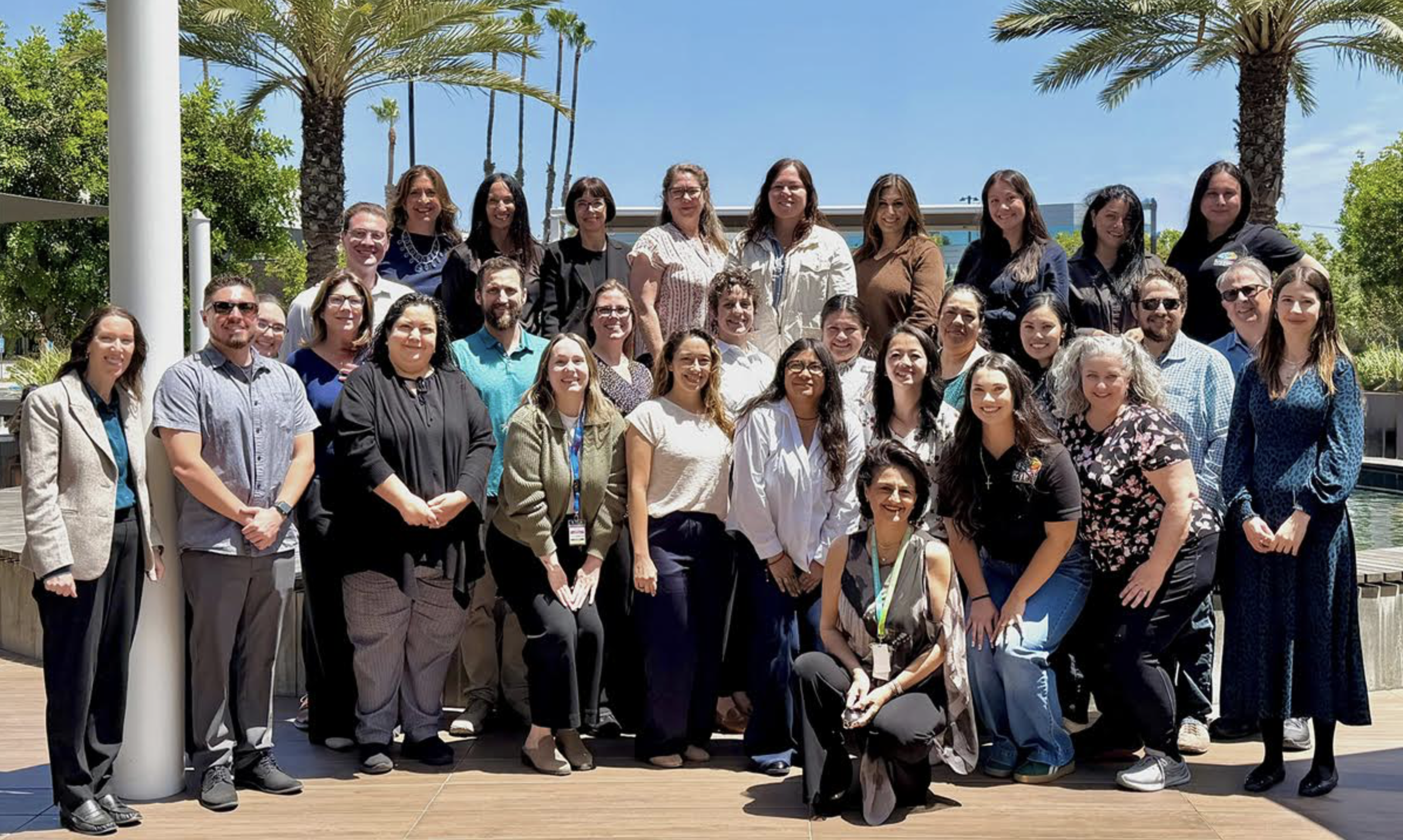
The Digital PAD is officially launched!
Painted Brain advocates for the expansion and implementation of Psychiatric Advance Directives (PADs) to strengthen self-determination in mental health care. PADs allow individuals with psychiatric disabilities to document their treatment preferences and identify trusted supporters in advance, ensuring their voice is respected during times when they may not be able to communicate their wishes.
Through advocacy, education, and partnerships with research and policy leaders, Painted Brain works to increase awareness and access to PADs and promote more person-centered mental health systems.
The California Innovations Project
The California Innovation Project expands the use of Psychiatric Advance Directives through a multi-county pilot program. Seven counties are testing how PADs can be implemented through a standardized statewide process.
The project aims to:
Improve access to care and community supports
Preserve individuals’ treatment preferences and life goals
Reduce involuntary care and unnecessary hospitalization
Address risks related to homelessness and criminal justice involvement
A key component of the Innovations Project is the development of Digital Psychiatric Advance Directives. The project created a secure online platform where individuals can learn about, complete, and store their PADs. These digital directives can be accessed in real time by first responders, crisis teams, and healthcare providers, helping ensure care decisions reflect the individual’s stated preferences.
The Innovation Project is also developing standardized PAD forms, legal language, training resources for counties and providers, and evaluation tools to support broader implementation across California.
Painted Brain Peer Leadership Academy

The Peer Leadership Academy helps people with behavioral health experience in Contra Costa County become strong community leaders.
In just four weeks, our leaders learn important skills like public speaking, advocacy, and how to work with local systems. You’ll also get one-on-one support from a mentor. With small classes, accessibility help, and stipends, the program makes it easy to use your lived experience to speak up and create real change in your community.
Leadership Skills
Build the confidence to lead meetings, present ideas, and inspire others in your community.
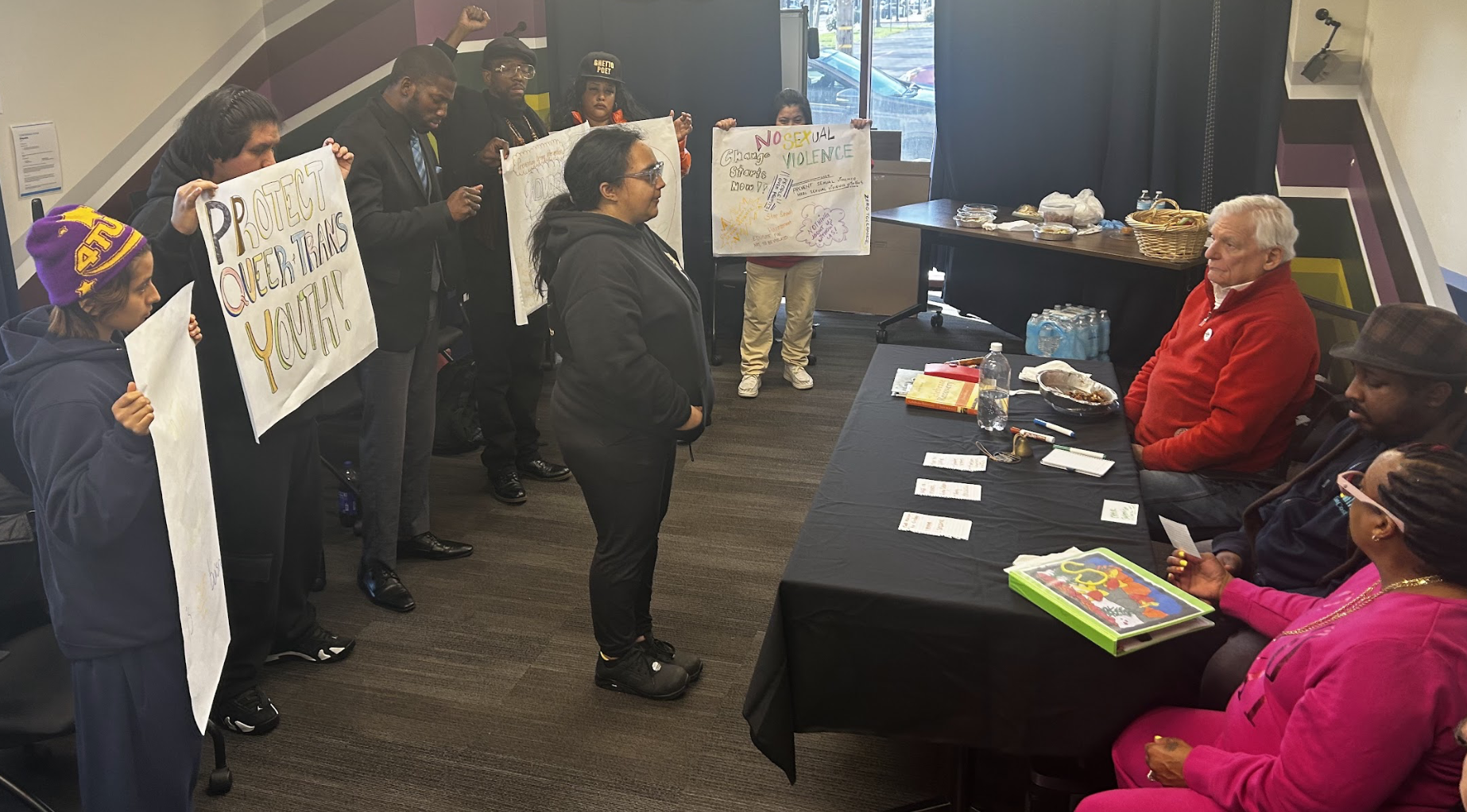
What you’ll gain
Mentorship
Receive one-on-one guidance from experienced peer advocates who have walked the same path.
Peer Support Training
Learn how to share your story in ways that motivate change and connect with others.
System Navigation
Understand how to work within the behavioral health system to make your voice count.